
Have you noticed bleeding when brushing, persistent bad breath, or gums that appear swollen and irritated? These symptoms may indicate that bacteria are accumulating beneath your gumline. While routine dental cleanings help maintain healthy teeth and gums, certain periodontal conditions require a more targeted treatment known as scaling and root planing.
At TOOTH Dental Care in Forney, TX, periodontal therapy helps patients address gum disease and protect the structures supporting their natural teeth. Scaling and root planing is a commonly recommended nonsurgical treatment for periodontitis, a condition that can damage gum tissue and the underlying jawbone when left unmanaged.
Understanding how this treatment works, why it may be necessary, and what to expect during recovery can help patients feel more comfortable making decisions about their periodontal health.
What Is Scaling and Root Planing?
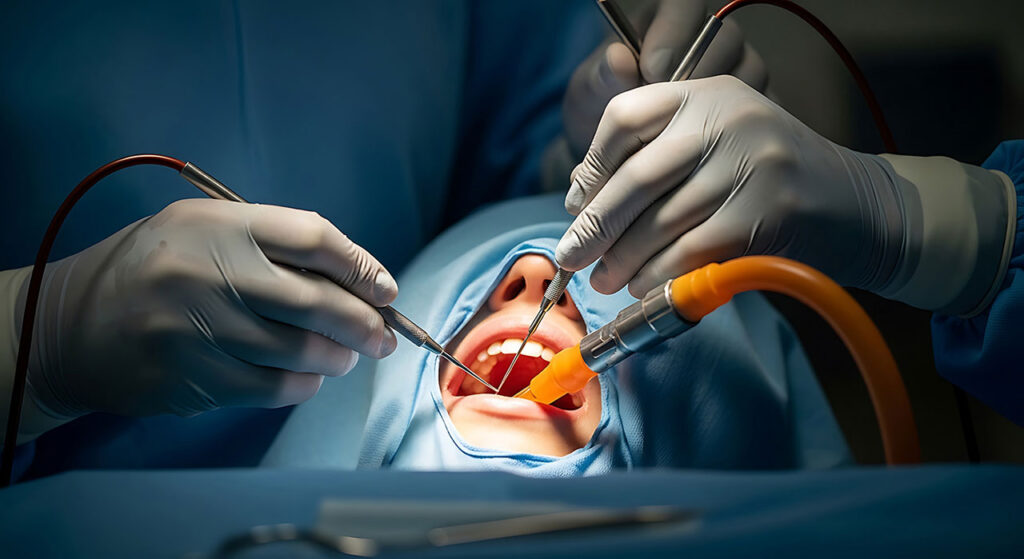
Scaling and root planing is a specialized dental cleaning procedure used to treat periodontal disease by removing bacterial deposits from tooth surfaces above and below the gumline.
Unlike a routine preventive cleaning, scaling and root planing focuses on areas affected by periodontal inflammation and attachment loss.
The procedure has two primary components.
Scaling
Scaling involves removing plaque, tartar, and bacterial deposits from tooth surfaces, including areas beneath the gumline.
These deposits contribute to inflammation and can make it difficult for the gums to remain healthy.
Root Planing
Root planing involves carefully cleaning and smoothing affected root surfaces to remove contaminated deposits and create conditions that support healthier tissue adaptation.
Together, these procedures help reduce bacterial accumulation and support the management of periodontal disease.
However, scaling and root planing does not automatically restore bone that has already been lost. The primary goal is to control inflammation and reduce the risk of additional periodontal damage.
Why Is Scaling and Root Planing Necessary?
Gum disease often begins when plaque accumulates along the gumline.
In its early stage, called gingivitis, the gums may become red, swollen, or prone to bleeding.
Gingivitis is generally reversible when bacterial deposits are removed and effective oral hygiene is established.
However, when inflammation progresses and damages the supporting structures around teeth, the condition becomes periodontitis.
Periodontitis can cause the gums to separate from the teeth, creating deeper spaces called periodontal pockets.
These pockets provide areas where bacteria and tartar can accumulate beyond the reach of ordinary brushing and flossing.
Scaling and root planing helps address these deposits and may allow the gum tissues to become healthier as inflammation decreases.
Signs You May Need Scaling and Root Planing
Not every patient with bleeding gums requires deep cleaning. However, certain findings may suggest that a periodontal evaluation is necessary.
Common warning signs include:
- Bleeding during brushing or flossing
- Persistent gum inflammation
- Bad breath that does not improve with routine oral hygiene
- Gum recession
- Deep periodontal pockets
- Visible tartar buildup near the gumline
- Changes in tooth stability
- Discomfort when chewing
- Bone loss identified on dental imaging
Some patients with periodontal disease experience few noticeable symptoms. Therefore, regular dental examinations and periodontal measurements are important for detecting problems early.
Benefits of Scaling and Root Planing
Scaling and root planing provides several important advantages for patients diagnosed with periodontitis.
- Reduced bacterial deposits: Treatment removes plaque and tartar from areas that cannot be cleaned effectively at home.
- Decreased gum inflammation: Eliminating bacterial buildup may help reduce swelling, redness, and bleeding.
- Improved periodontal pocket conditions: Successful treatment can reduce inflammation and improve pocket measurements in some areas.
- Protection of supporting tissues: Managing periodontal disease helps reduce the risk of additional attachment and bone loss.
- Fresher breath: Removing bacteria associated with periodontal disease may improve persistent bad breath.
- Greater daily comfort: Healthier gums may make brushing, flossing, and chewing more comfortable.
- Support for natural tooth retention: Controlling periodontal disease can help protect teeth from complications associated with advanced gum damage.
- Improved long-term maintenance: Treatment creates a foundation for ongoing periodontal monitoring and home care.
Although these benefits are meaningful, scaling and root planing is not a permanent cure for periodontitis. Continued maintenance and effective daily cleaning remain essential.
How Is Periodontal Disease Diagnosed?
Before recommending scaling and root planing, your dentist evaluates the condition of your gums and supporting tissues.
One important diagnostic tool is periodontal probing. A small measuring instrument is used to assess the depth of the spaces between the gums and teeth.
Healthy gum measurements are generally shallow, while deeper pockets may indicate inflammation or attachment loss.
However, pocket depth alone does not determine the diagnosis. Your dentist also evaluates bleeding, gum recession, attachment levels, and other clinical findings.
Dental X-rays may be used to identify bone loss around the roots of teeth.
Additionally, your medical history and risk factors are considered because conditions such as diabetes and tobacco use can influence periodontal health.
These findings help determine whether scaling and root planing is appropriate and which areas require treatment.
What Happens During Scaling and Root Planing?
The procedure is carefully planned according to the extent of periodontal disease and the patient’s comfort needs.
Preparing the Treatment Area
Your dental team reviews the treatment plan and explains which areas will be cleaned.
Local anesthesia may be used to numb the gums and surrounding tissues, especially when deeper cleaning is necessary.
Removing Plaque and Tartar
Specialized instruments are used to remove bacterial deposits from tooth surfaces above and below the gumline.
Ultrasonic instruments may use vibrations and water to loosen tartar, while hand instruments allow detailed cleaning of selected surfaces.
Cleaning Root Surfaces
The dental professional carefully removes deposits and contaminated material from affected root surfaces.
The goal is to reduce bacterial accumulation while preserving healthy tooth structure.
Evaluating the Treated Areas
After cleaning, the dental team checks the treated areas and provides instructions for home care.
Depending on the number of affected teeth, scaling and root planing may be completed during one appointment or divided into multiple visits.
Does Scaling and Root Planing Hurt?
Many patients worry that deep cleaning will be uncomfortable. However, local anesthesia can help manage discomfort during treatment.
Patients may experience pressure, vibrations, or movement from the cleaning instruments, but the treated areas can be numbed when appropriate.
After the appointment, temporary gum tenderness or tooth sensitivity may occur.
These symptoms often improve as the tissues recover, although healing experiences vary.
If you are concerned about sensitivity or dental anxiety, discuss your needs with your dental team before treatment begins.
Clear communication allows your provider to explain available comfort measures and help you understand what sensations to expect.
What to Expect After Scaling and Root Planing
Following treatment, your gums may feel tender for a short period.
Some patients experience sensitivity to hot or cold temperatures, particularly when root surfaces have been exposed by gum recession.
Mild bleeding may also occur temporarily.
Your dentist may recommend specific oral hygiene techniques, dietary adjustments, or medications based on your individual situation.
Continue cleaning your teeth according to the instructions provided. Although the gums may feel sensitive, controlling plaque is important for healing and long-term disease management.
Additionally, avoid tobacco because smoking can interfere with periodontal healing and increase the risk of treatment complications.
If discomfort becomes severe, swelling increases, or symptoms do not improve as expected, contact your dental provider.
How Long Does It Take for Gums to Heal?
Healing after scaling and root planing occurs gradually.
Some patients notice reduced bleeding and inflammation within the first several days or weeks.
However, the full response to treatment may take longer, which is why periodontal reevaluation is important.
Your dentist may recommend a follow-up assessment several weeks after treatment to measure periodontal pockets and evaluate tissue response.
During this appointment, the dental team can determine whether inflammation has improved and whether additional periodontal treatment is necessary.
It is important to remember that healing does not always mean previously lost bone or attachment has been restored.
The primary goal is to stabilize periodontal health and reduce the risk of further damage.
Scaling and Root Planing Versus Regular Dental Cleaning
Although both procedures remove bacterial deposits, they serve different purposes.
A routine professional cleaning is generally performed to maintain oral health in patients without periodontitis requiring active treatment.
Scaling and root planing, meanwhile, is a therapeutic procedure used to manage periodontal disease affecting the tissues around teeth.
It focuses on deeper deposits and affected root surfaces beneath the gumline.
Because the treatment is more involved, local anesthesia and additional appointment time may be necessary.
After active periodontal treatment, patients may transition to periodontal maintenance rather than returning immediately to ordinary preventive cleanings.
The appropriate schedule depends on the severity of disease and response to treatment.
Why Periodontal Maintenance Matters After Deep Cleaning
Periodontitis is a chronic condition that requires ongoing management.
Even after successful scaling and root planing, bacteria can accumulate again if oral hygiene and professional maintenance are inconsistent.
Periodontal maintenance appointments help remove new deposits and monitor changes in gum health.
During these visits, your dental team may evaluate pocket depths, bleeding, tooth mobility, and areas of recurring inflammation.
Many patients with a history of periodontitis benefit from maintenance approximately every three to four months, although individual recommendations vary.
Patients with greater disease risk may require a different schedule.
Consistent maintenance is one of the most important factors in preserving treatment results.
Can Scaling and Root Planing Save Loose Teeth?
One common concern among patients with advanced gum disease is whether deep cleaning can prevent tooth loss.
Scaling and root planing may help reduce inflammation and stabilize periodontal disease, which can improve the outlook for certain teeth.
However, the prognosis depends on how much bone and periodontal attachment remain.
Teeth with severe supporting bone loss may require additional treatment or may not be predictable to retain.
Your dentist will evaluate each affected tooth individually and explain the available options.
Early treatment generally provides more opportunities to preserve natural teeth than waiting until periodontal damage becomes extensive.
How to Maintain Healthy Gums at Home
Daily oral hygiene plays an essential role in controlling periodontal disease after professional treatment.
Brush twice daily using a soft-bristled toothbrush and fluoride toothpaste.
Pay close attention to the gumline, where bacterial plaque commonly accumulates.
Clean between your teeth every day using floss, interdental brushes, or other tools recommended by your dental provider.
Patients with larger spaces between teeth may find appropriately sized interdental brushes particularly useful.
Additionally, avoid tobacco products and follow medical recommendations for managing conditions such as diabetes.
Attend scheduled periodontal maintenance appointments and report new bleeding, swelling, or tooth mobility promptly.
Frequently Asked Questions About Scaling and Root Planing
Is scaling and root planing the same as deep cleaning?
Yes. Scaling and root planing is commonly called deep cleaning because it removes bacterial deposits beneath the gumline and treats affected root surfaces.
How many appointments does scaling and root planing require?
The number of appointments depends on the extent of periodontal disease. Some patients complete treatment in one visit, while others require multiple appointments.
Can gum disease return after scaling and root planing?
Yes. Periodontitis is a chronic condition. Ongoing periodontal maintenance and daily plaque control are important for preventing additional disease progression.
Will my gums stop bleeding after deep cleaning?
Bleeding often improves as inflammation decreases. However, persistent bleeding should be evaluated because additional treatment or changes in home care may be necessary.
Does scaling and root planing remove healthy gum tissue?
No. The procedure focuses on removing bacterial deposits from tooth and root surfaces while preserving healthy tissues.
Is scaling and root planing covered by dental insurance?
Coverage varies by insurance plan and the patient’s diagnosis. Your dental office can help review available benefits and estimated out-of-pocket costs.
Support Healthier Gums With Periodontal Care in Forney
Gum disease can develop gradually, sometimes without significant discomfort. However, untreated periodontitis can damage the structures supporting natural teeth.
Scaling and root planing offers a nonsurgical approach to managing periodontal disease by removing bacterial deposits and supporting healthier gum conditions.
At TOOTH Dental Care in Forney, TX, patients can receive personalized periodontal evaluations and treatment recommendations based on their individual oral health needs.
Concerned about bleeding gums, gum inflammation, or periodontal disease? Call Us Today at (469) 970-5551 to schedule a periodontal consultation with TOOTH Dental Care in Forney, TX.