
Losing a tooth can change more than your smile. You may notice that certain foods become harder to chew, your bite feels different, or you hesitate when speaking and smiling. Fortunately, modern dentistry offers several ways to replace missing teeth. Among these options, dental implants are often considered for their stability, natural appearance, and potential for long-term function.
At TOOTH Dental Care in Forney, TX, patients can explore dental implants as a personalized solution for missing teeth. However, one of the most common questions patients ask is whether dental implants are truly worth the investment. Understanding their advantages, costs, treatment process, and maintenance requirements can help you decide whether this approach fits your needs.
While dental implants may involve a higher initial investment than some alternatives, their durability and ability to function independently of neighboring teeth make them an appealing option for many patients. The right choice ultimately depends on your oral health, personal preferences, and long-term goals.
What Makes Dental Implants Different From Other Tooth Replacements?
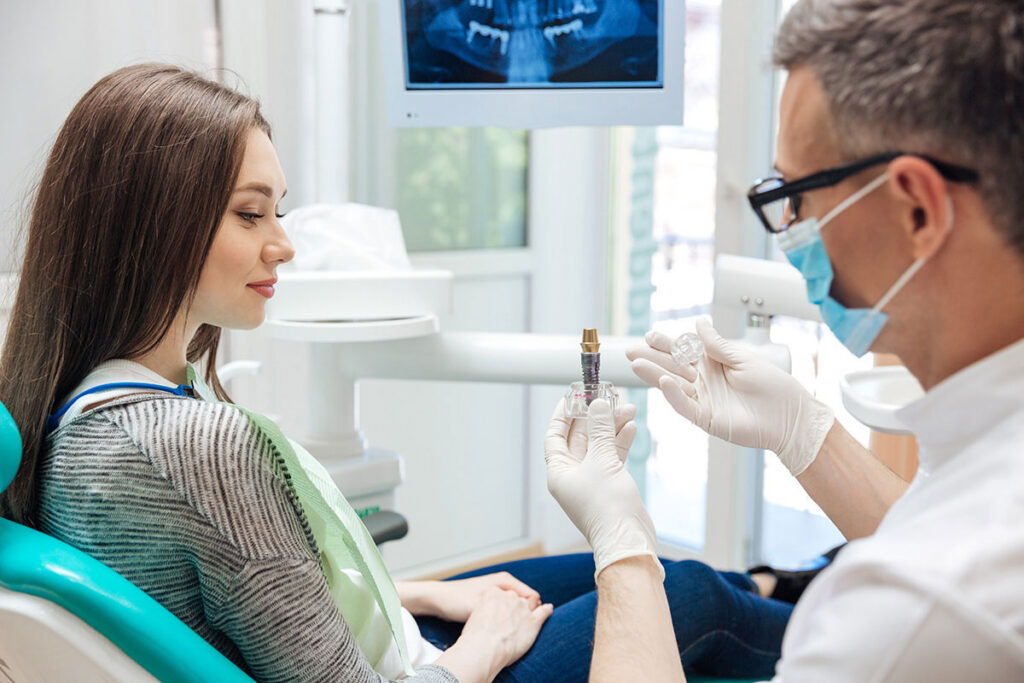
Traditional tooth replacement options generally rely on surrounding teeth or gum tissue for support. Dental implants work differently because they replace the missing tooth root with a small biocompatible post placed into the jawbone.
Over time, the surrounding bone heals around the implant through a process called osseointegration. Once the implant is stable, it can support a custom dental crown, bridge, or implant-supported denture.
A completed dental implant restoration typically includes three components:
- Implant post: A titanium or other suitable biocompatible fixture that serves as an artificial tooth root.
- Abutment: A connector that joins the implant to the replacement tooth.
- Dental restoration: A crown, bridge, or denture designed to restore appearance and chewing function.
Because the implant is anchored within the jawbone, it can provide a stable foundation without depending on adjacent natural teeth for support.
Are Dental Implants Worth the Investment?
Determining whether dental implants are worth the cost requires looking beyond the initial treatment price. While a removable denture or traditional bridge may cost less initially, different restorations have different maintenance needs and expected lifespans.
For example, conventional bridges may require replacement as materials wear or supporting teeth change. Removable dentures may also need periodic adjustments or replacement because the jawbone and gum tissues naturally change over time.
Dental implants, meanwhile, can remain functional for many years with appropriate care. However, implant crowns and other attached restorations may eventually require repair or replacement.
It is also important to consider the value of comfort and convenience. Some patients appreciate having replacement teeth that remain stable while eating and speaking.
Nevertheless, implants are not automatically the best option for everyone. A thorough evaluation helps determine whether the potential advantages justify the investment in your particular situation.
Benefits of Dental Implants
Dental implants offer several advantages that make them a popular option for replacing missing teeth.
- Natural appearance: Custom restorations can be designed to complement the color, shape, and proportions of surrounding teeth.
- Improved chewing stability: Implant-supported teeth can provide a secure foundation for eating a variety of foods.
- Jawbone preservation: Implants help maintain bone in the area where a tooth root is missing, although they do not prevent every form of bone loss.
- Independent support: A single implant generally does not require neighboring healthy teeth to be reshaped for a traditional bridge.
- Long-term durability: With appropriate treatment planning and maintenance, implants can provide many years of service.
- Improved speech comfort: Stable replacement teeth may help patients speak more comfortably.
- Convenient daily care: Many implant restorations can be maintained with brushing, interdental cleaning, and regular professional visits.
- Versatile treatment options: Implants may support a single crown, multiple replacement teeth, or a larger implant-supported restoration.
These advantages can make dental implants a worthwhile consideration for patients seeking a stable and functional tooth replacement solution.
Dental Implants Versus Traditional Dental Bridges
Dental bridges and implants can both replace missing teeth, but their designs differ considerably.
A traditional bridge usually relies on neighboring teeth to support an artificial replacement tooth. In many cases, these supporting teeth must be reshaped to accommodate crowns.
A dental implant replaces the missing tooth independently. As a result, a single implant may preserve more natural structure in adjacent healthy teeth.
However, bridges may be appropriate when neighboring teeth already require crowns or when implant surgery is not recommended.
Additionally, a bridge may sometimes be completed more quickly because it does not require the same bone-healing period associated with implant placement.
Your dentist can compare the advantages and limitations of both approaches based on the condition of your remaining teeth and jawbone.
Dental Implants Versus Removable Dentures
Removable dentures remain an important tooth replacement option, particularly for patients missing several or all of their teeth.
Traditional dentures rest on the gums and may require periodic adjustments as oral tissues change. Some patients experience movement during chewing or speaking, especially with lower dentures.
Implant-supported dentures use strategically placed implants to improve retention and stability. Depending on the design, they may be removable by the patient or fixed in place.
For someone who struggles with loose dentures, implant support may improve comfort and chewing confidence.
However, implant-supported dentures require sufficient bone support, appropriate surgical planning, and a commitment to ongoing maintenance.
Who Is a Good Candidate for Dental Implants?
Many adults with missing teeth may qualify for dental implant treatment. However, candidacy depends on several important factors.
Healthy gums are particularly important because untreated periodontal disease can increase the risk of complications around implants.
Additionally, the jawbone must provide adequate support for the implant. Patients with insufficient bone volume may need additional procedures, such as bone grafting, before placement.
Your dentist will also review your medical history, medications, tobacco use, and any conditions that may affect healing.
Diabetes, for example, does not automatically prevent implant treatment. However, poorly controlled blood sugar can increase healing complications, making careful planning important.
Similarly, patients who smoke may face a higher risk of implant complications. Discussing these factors openly helps your dental team recommend appropriate treatment.
What Happens During the Dental Implant Process?
Dental implant treatment typically occurs in stages rather than during a single appointment.
Initial Consultation
Your dentist begins with an examination and diagnostic imaging to evaluate your teeth, gums, bite, and jawbone.
At TOOTH Dental Care, treatment planning may involve advanced imaging to better understand the available bone and nearby anatomical structures.
Preparing the Treatment Area
Some patients require treatment for gum disease, extraction of a damaged tooth, or bone grafting before implant placement.
These preparatory procedures help create conditions that support a more predictable outcome.
Implant Placement
During surgery, the implant post is carefully positioned within the jawbone. Local anesthesia is used for comfort, and additional sedation options may be discussed when appropriate.
Healing and Integration
After placement, the implant needs time to integrate with the surrounding bone. This process often takes several months, although the timeline varies.
Final Restoration
Once healing is sufficient, a custom crown, bridge, or denture is attached. The completed restoration is designed to support comfortable function and blend naturally with your smile.
How Long Do Dental Implants Last?
Dental implants are designed as long-term restorations, but no dental treatment can be guaranteed to last forever.
The implant fixture itself may remain functional for decades when properly integrated and maintained. However, crowns, bridges, and other prosthetic components may experience wear and require replacement.
Several factors influence implant longevity, including oral hygiene, gum health, bite forces, smoking, medical conditions, and regular professional care.
Patients who grind their teeth may need additional protection, such as a professionally recommended nightguard.
Furthermore, inflammation around an implant can develop when bacterial plaque accumulates. Maintaining healthy tissues around the implant is essential for long-term success.
How Much Do Dental Implants Cost in Forney, TX?
The cost of dental implants varies depending on the number of missing teeth, the type of restoration, and the complexity of treatment.
A single implant crown generally involves different costs from an implant-supported bridge or full-arch restoration.
Additional procedures, including extractions, bone grafting, or specialized imaging, may also influence the overall investment.
Dental insurance coverage varies considerably. Some plans contribute toward certain stages of treatment, while others have limitations or exclusions.
During your consultation, ask for a detailed estimate that separates implant placement, restoration costs, and any additional procedures.
This information makes it easier to compare treatment options and understand your financial responsibilities before beginning care.
How to Care for Dental Implants After Treatment
Although dental implants cannot develop cavities, the surrounding gum tissue and bone still require attention.
Brush twice daily using a soft-bristled toothbrush and clean around the implant restoration with floss or another recommended interdental cleaning device.
Additionally, attend regular dental examinations so your provider can monitor the implant, surrounding tissues, and condition of the restoration.
Avoid using your teeth to open packages or chew extremely hard objects, as excessive force can damage restorative materials.
Finally, report any persistent bleeding, swelling, discomfort, or movement around an implant promptly. Early evaluation may help prevent more serious complications.
Frequently Asked Questions About Dental Implants
Are dental implants painful?
Implant placement is typically performed with local anesthesia. Temporary swelling, soreness, or tenderness may occur afterward, but your dental team can recommend appropriate ways to manage discomfort.
Can dental implants replace several missing teeth?
Yes. Depending on the situation, implants may support individual crowns, bridges, or implant-supported dentures.
Do dental implants require special cleaning?
Implants require consistent brushing, interdental cleaning, and professional maintenance. Your dentist may recommend specific cleaning tools based on the restoration design.
Can older adults receive dental implants?
Yes. Age alone does not determine eligibility. Overall health, bone support, gum condition, and healing considerations are more important factors.
Are dental implants better than dentures?
Neither option is universally better. Dental implants offer stability and bone support, while traditional dentures may be appropriate for patients who prefer a nonsurgical or lower-cost alternative.
Explore Long-Term Tooth Replacement at TOOTH Dental Care
Choosing how to replace missing teeth is an important decision that can influence comfort, function, and oral health for years to come. Dental implants offer a stable and natural-looking solution, but understanding the treatment process and long-term responsibilities is essential.
At TOOTH Dental Care in Forney, TX, patients can discuss their tooth replacement goals and receive individualized guidance about available implant options.
Ready to find out whether dental implants are worth it for your smile? Call Us Today at (469) 970-5551 to schedule a dental implant consultation with TOOTH Dental Care in Forney, TX.