
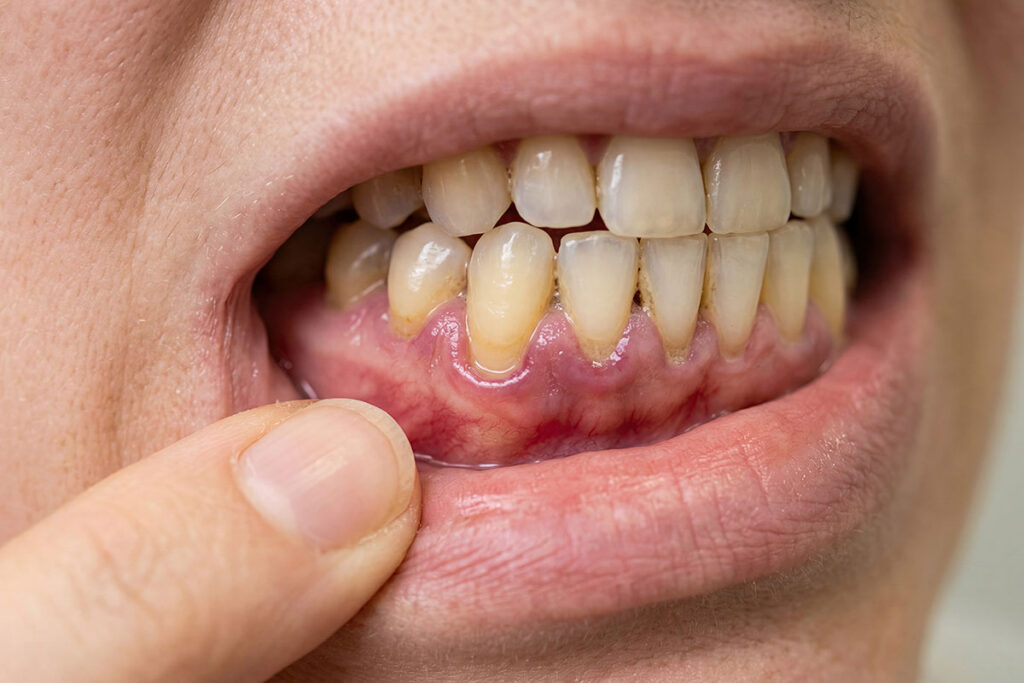
Do your gums bleed when you brush or floss? Perhaps you have noticed persistent bad breath, gum tenderness, or changes in the way your teeth feel when you bite. These symptoms can be easy to dismiss, especially when they do not cause significant pain. However, they may be early warning signs of gum disease, a common oral health condition that deserves professional attention.
At TOOTH Dental Care in Forney, TX, patients can explore periodontal therapy to help manage gum disease and protect the tissues supporting their teeth. Understanding how periodontal disease develops, what symptoms to watch for, and how treatment works can help patients take a more proactive approach to their oral health.
Healthy gums are essential for a healthy smile. While teeth often receive most of the attention during daily oral hygiene routines, the surrounding gums and jawbone provide the foundation that keeps natural teeth stable and functional.
What Is Periodontal Therapy?
Periodontal therapy refers to treatments designed to manage diseases affecting the gums and supporting structures around the teeth. These conditions typically develop when bacterial plaque accumulates along or beneath the gumline.
When plaque is not removed effectively, it can harden into tartar. Unlike soft plaque, tartar cannot be removed through ordinary brushing and flossing. Professional dental care is necessary to eliminate these deposits.
Over time, bacteria and the body’s inflammatory response can damage gum tissue and, in more advanced cases, the bone supporting the teeth.
Periodontal therapy addresses these concerns through professional cleaning procedures, personalized home care recommendations, and ongoing monitoring. Treatment may involve deep cleaning, localized medications when appropriate, and periodontal maintenance appointments.
Importantly, the recommended approach depends on the severity of the condition and the patient’s individual oral health needs.
Understanding Gingivitis and Periodontitis
Gum disease is not a single condition with one level of severity. Instead, it can develop through different stages that require different approaches to care.
Gingivitis: The Early Stage
Gingivitis is inflammation of the gums, commonly associated with plaque accumulation. Signs may include redness, swelling, tenderness, and bleeding during brushing or flossing.
Fortunately, gingivitis is generally reversible with appropriate professional care and improved daily oral hygiene. At this stage, the supporting bone has not been destroyed by periodontal disease.
Periodontitis: A More Advanced Condition
When inflammation progresses and affects the tissues supporting the teeth, periodontitis can develop. This condition may cause the gums to separate from the teeth, creating deeper spaces called periodontal pockets.
These pockets can collect bacteria and become increasingly difficult to clean at home. Additionally, periodontal disease may lead to attachment loss and deterioration of the supporting jawbone.
Unlike gingivitis, damage from periodontitis is not simply reversed through brushing and flossing. However, professional periodontal therapy can help control the disease and reduce the risk of additional damage.
Common Warning Signs of Gum Disease
One reason periodontal disease can progress unnoticed is that symptoms are not always painful. Some patients experience obvious changes, while others have few noticeable warning signs.
Potential symptoms include:
- Bleeding when brushing or flossing
- Red, swollen, or tender gums
- Persistent bad breath
- Gums that appear to be pulling away from the teeth
- Teeth that look longer because of gum recession
- Changes in the way teeth fit together
- Loose or shifting teeth
- Discomfort when chewing
- Pus or drainage around the gumline
Although these symptoms can suggest periodontal disease, other dental conditions may produce similar changes. Therefore, a professional examination is necessary for an accurate diagnosis.
Even if your gums appear healthy, routine periodontal evaluations remain important because some forms of gum disease develop without obvious discomfort.
Benefits of Periodontal Therapy
Periodontal therapy can provide meaningful improvements in oral health when treatment is appropriate and patients maintain recommended follow-up care.
- Reduced gum inflammation: Removing bacterial deposits can help decrease swelling, redness, and tenderness.
- Improved gum health: Professional treatment helps create conditions that support healthier gum tissue.
- Better infection control: Periodontal therapy reduces harmful bacterial deposits associated with gum disease.
- Protection of natural teeth: Managing periodontal disease can help reduce the risk of additional tissue and bone damage.
- Fresher breath: Addressing bacterial buildup may improve persistent bad breath associated with periodontal disease.
- Improved daily comfort: Reduced inflammation may make brushing, flossing, and chewing more comfortable.
- Personalized maintenance: Ongoing care helps identify changes and respond before additional damage occurs.
- Long-term oral health support: Consistent treatment and home care can help patients maintain a healthier foundation for their smiles.
However, periodontal therapy is not a permanent cure that eliminates the need for future care. Periodontitis is a chronic condition that often requires ongoing management to maintain stable results.
What Happens During a Periodontal Evaluation?
Before recommending treatment, your dentist will examine the condition of your gums, teeth, and supporting structures.
One important part of the evaluation involves measuring periodontal pocket depths. Using a small measuring instrument, the dental professional checks the spaces between the gums and teeth.
These measurements help identify areas where the gum attachment may have changed. Your provider may also evaluate bleeding, gum recession, tooth mobility, and the presence of plaque or tartar.
Additionally, dental X-rays may be recommended to assess bone levels around the teeth and identify concerns that cannot be seen during a visual examination.
By combining these findings with your health history, your dentist can determine the appropriate treatment approach and maintenance schedule.
Scaling and Root Planing: A Common Periodontal Treatment
Scaling and root planing is a nonsurgical treatment frequently recommended for patients with periodontitis.
Scaling involves carefully removing plaque and tartar from tooth surfaces, including areas beneath the gumline. Root planing focuses on cleaning and smoothing affected root surfaces to help reduce bacterial accumulation and encourage healthier tissue adaptation.
Depending on the extent of treatment, local anesthesia may be used to improve comfort. Some patients require treatment in more than one appointment, particularly when multiple areas of the mouth are affected.
Afterward, temporary sensitivity or tenderness may occur. Your dental team will provide instructions for cleaning your teeth and managing any discomfort.
Follow-up appointments are important because your provider needs to assess how the gums respond and determine whether additional treatment is necessary.
When Are Additional Periodontal Treatments Needed?
Although scaling and root planing can be effective for many patients, some situations require additional care.
Localized antimicrobial medications may be recommended in certain circumstances. These treatments are intended to complement professional cleaning rather than replace it.
Additionally, some patients may benefit from specialized periodontal procedures when deep pockets, advanced bone loss, or other complex conditions remain after initial treatment.
The decision to pursue additional treatment depends on clinical findings, disease severity, risk factors, and the response to earlier care.
At TOOTH Dental Care, discussing your individual findings can help you understand which periodontal options are appropriate and why they may be recommended.
How Gum Health Connects With Overall Wellness
Oral health and general health are closely connected. Research has identified associations between periodontal disease and several systemic conditions, including diabetes and cardiovascular disease.
However, an association does not automatically mean that gum disease directly causes these conditions or that periodontal treatment prevents them.
For individuals with diabetes, managing gum inflammation can be especially important because diabetes and periodontal disease can influence one another.
Additionally, certain medications, tobacco use, hormonal changes, and medical conditions can affect gum health and healing.
Sharing an accurate medical history with your dental provider helps ensure periodontal treatment is planned safely and appropriately.
Why Periodontal Maintenance Is Different From a Routine Cleaning
Patients sometimes wonder why their dentist recommends periodontal maintenance rather than an ordinary preventive cleaning.
A routine cleaning generally focuses on maintaining oral health in patients without active periodontal disease requiring specialized management.
Periodontal maintenance, meanwhile, is designed for patients with a history of periodontitis who need ongoing monitoring and cleaning to help prevent disease progression.
Appointments may include evaluation of periodontal pockets, removal of bacterial deposits, assessment of inflammation, and personalized home care guidance.
Some patients require more frequent visits than the traditional six-month interval. The appropriate schedule depends on disease history, current gum condition, and individual risk factors.
How to Support Healthier Gums at Home
Professional periodontal therapy works best when supported by consistent home care.
Brush twice daily with fluoride toothpaste and a soft-bristled toothbrush. Pay particular attention to the gumline, where plaque commonly accumulates.
Clean between your teeth every day using floss, interdental brushes, or another method recommended by your dental provider.
Additionally, avoid tobacco products, which increase periodontal disease risk and can interfere with healing. If you have diabetes, following your medical treatment plan may also support healthier gums.
Finally, do not ignore new bleeding, swelling, or changes in tooth stability. Contact your dental office if these symptoms develop between scheduled appointments.
Frequently Asked Questions About Periodontal Therapy
Can gum disease go away on its own?
Gingivitis may improve with effective plaque removal and professional care. However, established periodontitis generally requires professional treatment and ongoing maintenance to control the disease.
Is periodontal therapy painful?
Comfort varies depending on the treatment and severity of inflammation. Local anesthesia can be used during deep cleaning, and temporary tenderness or sensitivity may occur afterward.
How often will I need periodontal maintenance?
Many patients with a history of periodontitis benefit from maintenance visits approximately every three to four months, although the recommended schedule depends on individual needs.
Can periodontal therapy save loose teeth?
Treatment may help stabilize periodontal disease and protect remaining support. However, the prognosis of a loose tooth depends on how much attachment and bone support remain.
Does bleeding when flossing always mean gum disease?
Not necessarily. Bleeding can occur for several reasons, but persistent bleeding should be evaluated because it is a common sign of gum inflammation.
Protect Your Gum Health With Personalized Care
Healthy gums are essential for keeping natural teeth stable, comfortable, and functional. Although gum disease can develop gradually, recognizing the warning signs and seeking professional treatment can help protect your oral health.
Whether you have noticed bleeding gums, persistent bad breath, gum recession, or changes in tooth stability, a periodontal evaluation can help identify the cause and determine appropriate care.
TOOTH Dental Care provides periodontal therapy for patients in Forney, TX, with an emphasis on education, personalized treatment, and ongoing oral health maintenance.
Ready to give your gums the attention they deserve? Call Us Today at (469) 970-5551 to schedule a periodontal evaluation with TOOTH Dental Care in Forney, TX.